

Building backlinks for SaaS companies is extremely competitive. Most SaaS keywords are dominated by websites with strong domain authority and massive backlink profiles.
In this campaign, my goal was simple: secure 50+ high-authority backlinks from niche-relevant websites to improve the client’s search rankings and authority.
Instead of using automated tools or low-quality link networks, I focused entirely on manual outreach, guest posting, and editorial placements.
“High-quality backlinks from relevant websites will always outperform hundreds of low-quality links.”
Understanding the SaaS SEO Challenge
SaaS companies operate in one of the most competitive SEO environments. Established platforms often dominate search results because they already have thousands of backlinks.
To compete effectively, a SaaS website needs:
-
Authority backlinks
-
Contextual editorial placements
-
Strong anchor text distribution
-
Links from niche-relevant websites
“In SaaS SEO, one powerful editorial backlink can be more valuable than ten generic links.”
Before starting the campaign, I analyzed the client’s website and competitor backlink profiles to identify opportunities.
Step 1 – Competitor Backlink Analysis
The first step was identifying where competitors were getting their backlinks from.
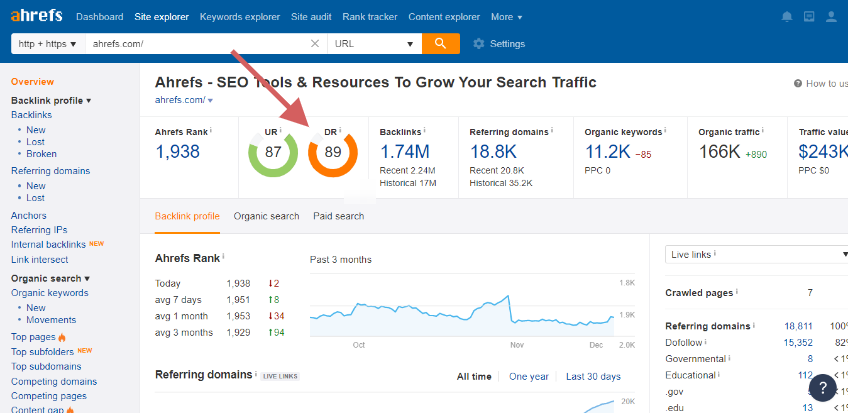
Using tools like Ahrefs, I analyzed:
-
Competitor referring domains
-
Editorial placements
-
Guest post opportunities
-
Industry blogs linking to SaaS companies
This research helped create a list of high-authority websites that already publish SaaS or tech content.
“Competitor backlinks are the fastest way to discover real link opportunities.”
After filtering out spammy websites, I built a list of high-quality prospects.
Step 2 – Prospect Qualification
Not every website is worth getting a backlink from. Many sites look strong but provide little SEO value.
Each website was evaluated based on:
-
Domain authority
-
Organic traffic
-
Niche relevance
-
Editorial quality
-
Outbound link profile
I only targeted websites that could provide long-term SEO value.
“Relevance matters more than metrics when it comes to backlinks.”
This step ensured that every backlink would actually strengthen the website’s authority.
Step 3 – Manual Blogger Outreach
Once the prospect list was ready, I began personalized outreach campaigns.
Instead of using automated templates, every email was customized for the website editor or content manager.
Outreach focused on:
-
Guest posting opportunities
-
Expert contributions
-
Editorial collaborations
“Successful outreach is about building relationships, not just asking for links.”
This approach significantly improved response rates and helped secure placements on trusted websites.
Step 4 – Creating High-Quality Guest Content
For each placement, I created valuable and relevant content tailored to the host website’s audience.
Topics included:
-
SaaS growth strategies
-
Software comparison guides
-
Industry insights
-
Marketing strategies for SaaS startups
The goal was to provide genuine value while naturally including contextual backlinks.
“The best backlinks are earned through content that genuinely helps readers.”
This ensured the links looked natural and aligned with the host website’s editorial standards.
Step 5 – Contextual Link Placement
Every backlink was placed naturally within the content, not in author bios or sidebars.
These placements were:
-
Contextual
-
Relevant to the topic
-
Surrounded by valuable content
“Contextual backlinks are the strongest type of links for SEO.”
Search engines treat these links as editorial recommendations, which improves ranking signals.
Step 6 – Anchor Text Strategy
Anchor text distribution is critical for maintaining a natural backlink profile.
Instead of using exact match anchors repeatedly, I diversified anchors using:
-
Branded anchors
-
Partial keywords
-
Generic anchors
-
Natural phrases
“A natural anchor profile protects websites from algorithmic penalties.”
This approach helped maintain long-term SEO stability.
Results of the Campaign
Within a few months, the campaign delivered:
-
50+ high-authority backlinks
-
Links from SaaS, marketing, and tech publications
-
Improved domain authority signals
-
Increased referral traffic
-
Stronger keyword rankings
Most importantly, the website began competing more effectively for high-value SaaS keywords.
“SEO authority is built link by link, through consistent quality placements.”
Key Takeaways
This campaign proved that quality outreach and strategic link building still work extremely well for SaaS SEO.
The most important success factors were:
-
Niche-relevant websites
-
Personalized outreach
-
High-quality guest content
-
Contextual backlinks
-
Natural anchor text strategy
When executed correctly, link building becomes one of the most powerful growth strategies for SaaS websites.