


Blogger outreach is one of the most powerful strategies for building high-quality backlinks, yet most people do it the wrong way. Many think outreach simply means sending hundreds of emails and hoping for replies. In reality, successful outreach is a structured system built on research, personalization, and relationship building.
Over the years, I have refined a process that consistently helps me secure placements on relevant, high-authority websites. In this article, I will walk you through my exact blogger outreach process step-by-step.
Why Blogger Outreach Still Works
Search engines continue to rely heavily on authority signals, and backlinks remain one of the strongest ranking factors.
However, not all backlinks are equal.
A single contextual link from a relevant, authoritative website can often outperform dozens of low-quality links. That’s why blogger outreach remains an effective strategy for:
- Building high-quality backlinks
- Increasing organic rankings
- Growing brand authority
- Driving targeted referral traffic
The key is focusing on quality and relevance rather than volume.
Step 1: Prospect Research
The first step in any outreach campaign is identifying relevant websites within your niche.
I typically use a combination of the following methods.
Google Search Operators
Search operators are a simple but effective way to find websites that accept guest contributions.
Examples:
"write for us" + your niche
"guest post" + your niche
"submit article" + your niche
"contribute" + your niche
These searches reveal blogs and publications that already accept guest posts.
Competitor Backlink Analysis
One of the most powerful techniques is analyzing competitor backlinks.
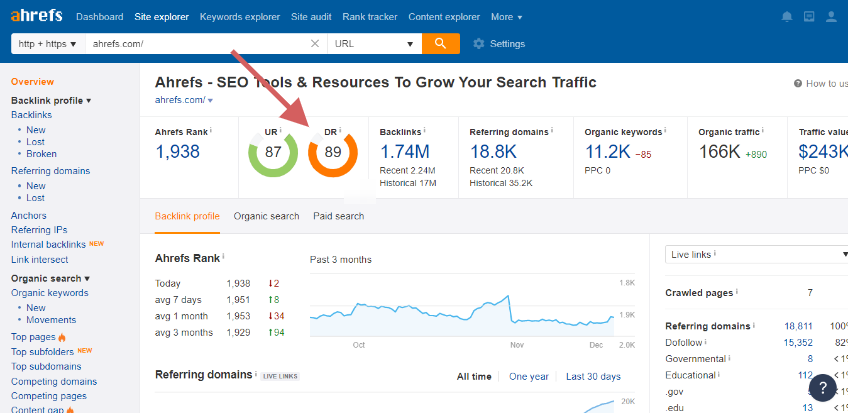
Using tools like Ahrefs, I analyze competitor domains to identify websites that have already linked to similar content. If they have linked to competitors, there is a good chance they might be open to collaborating.
When evaluating prospects, I look at:
- Domain Rating (DR) or Domain Authority (DA)
- Organic traffic
- Content quality
- Niche relevance
- Link profile health
Step 2: Prospect Qualification
Not every website is worth reaching out to.
Before contacting any site, I manually review it to ensure it meets quality standards.
Here are a few things I check:
- Does the site receive real organic traffic?
- Is the site indexed properly in Google?
- Is the content high quality and regularly updated?
- Does the website avoid spammy sponsored content?
Quality always matters more than quantity.
One high-authority backlink can often be more valuable than multiple weak links.
Step 3: Finding the Right Contact
After identifying the right websites, the next step is finding the correct person to contact.
The ideal contacts are:
- Editors
- Content managers
- Blog owners
Common places to find contact information include:
- Contact pages
- Author bio sections
- LinkedIn profiles
- Outreach tools such as Hunter.io
Reaching the right person significantly increases the chances of getting a reply.
Step 4: Writing a Personalized Outreach Email
This is where most outreach campaigns fail.
Editors receive dozens of generic outreach emails every week. If your email looks automated, it will likely be ignored.
Instead, I focus on personalization.
A strong outreach email typically includes:
- A personalized greeting
- A short introduction
- A reference to their website or recent article
- A clear value proposition
- A simple call to action
The goal is to make the email feel human and relevant, not like a mass template.
Step 5: Pitching Strong Content Ideas
Instead of sending vague requests like “Can I write a guest post?”, I always pitch specific content ideas.
Editors prefer clear, ready-to-publish topics.
Some types of content ideas that work well include:
- Data-driven articles
- Case studies
- Step-by-step guides
- Industry insights
Strong topic ideas increase the likelihood of approval.
Step 6: Creating High-Quality Guest Content
Once a pitch is accepted, the next step is delivering exceptional content.
Guest posts should not exist solely to place a backlink. They should provide genuine value to readers.
A strong guest article usually includes:
- In-depth research
- Practical insights
- Clear structure
- Original content
Typically, I aim for articles between 1000 and 2000 words, depending on the website’s requirements.
Step 7: Strategic Link Placement
Backlinks should always be placed naturally within the content.
Best practices include:
- Contextual links within relevant sections
- Natural anchor text
- Avoiding over-optimized keywords
- Maintaining editorial integrity
The goal is to ensure the link feels organic and useful, rather than promotional.
Step 8: Follow-Up Strategy
Many outreach replies actually come from follow-ups.
A simple follow-up system works best:
- Initial outreach email
- Follow-up after 3–4 days
- Final follow-up after about one week
Follow-ups should remain polite and concise.
Persistence often leads to better response rates.
Step 9: Building Long-Term Relationships
The biggest advantage of outreach is not just a single backlink — it’s the relationship.
When you consistently deliver high-quality content, editors begin to trust you. This often leads to:
- Easier future placements
- Faster approvals
- Ongoing collaborations
Over time, these relationships become extremely valuable for scaling outreach campaigns.
Final Thoughts
Blogger outreach is not about sending thousands of emails. It’s about research, personalization, and delivering value.
When done correctly, outreach can help you build:
- Strong backlinks
- Industry relationships
- Sustainable organic growth
By following a structured process and focusing on quality, blogger outreach remains one of the most reliable strategies for long-term SEO success.